

Environmental Restoration:
Marsdenia
Fire ecology: Llandilo
Arauca Environmental is proudly protecting Marsdenia Nature Reserve, a critical pocket of vegetation in Llandilo, Western Sydney.
This small site hosts two unique and increasingly threatened vegetation communities, under pressure from surrounding urban development.
The critically endangered Cumberland Plain Shale Woodlands and Shale-Gravel Transition Forest form a fascinating plant community, vital for preserving biodiversity in one of Australia’s most impacted landscapes. Arauca Environmental is proudly protecting Marsdenia, a critical pocket of vegetation in Llandilo, Western Sydney.

Project Overview
-
Client: Local Land Services
-
Aim: Enhancing the critically endangered Cumberland Plain Shale Woodlands and Shale Gravel Transition Forest through control of Mother-of-Millions (Bryophyllum spp.) and other weeds via ecological burning, flame weeding, hand removal, chemical application
-
Location: Llandilo, Penrith LGA a priority area for ecological restoration.

Methodology
Arauca Environmenntal’s ecological restoration approach includes:
-
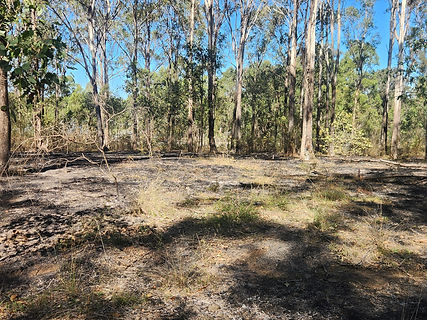
Ecological Burn: Conducted on one-third of the site in April to eradicate Mother-of-Millions, promoting native regeneration.
-
Post-Fire Management: Monitoring and weeding burnt areas to ensure invasive species control.
-
Integrated Techniques: Applying flame weeding and pile burning across remaining areas for comprehensive restoration.

Challenges and Solutions
Coordination: Liaising with the Rural Fire Service (RFS) for optimal burn dates was challenging due to weather variability.
Solution: Effective communication, project management, and ongoing weather monitoring ensured safe burns.
Patchy Burns: Cool burn although easier to control and monitor prevented a uniform burn, allowing Mother-of-Millions to persist in areas where fuel was low or absent.
Solution: Targeted pile burns, flame weeding, and fuel loading for future burns addressed unburnt zones.

Achievments
-
Invasive Species Control: Successful reduction of Mother-of-Millions from burnt areas, with ongoing monitoring.
-
Native Species Protection: Preserved biodiversity, including threatened species like Marsdenia viridiflora subsp. viridiflora and Grevillea juniperina subsp. juniperina.
-
Ecosystem Health: Enhanced ecological processes through pile burning and habitat features (logs, hollows).
-
Site Assessment: Monitoring ecological burn outcomes, noting increased plant diversity, germination rates, and fauna
Key Takeaways
-
Ecological burn success: Ecological burn seem to effectively reduce Mother-of-Millions, supporting Cumberland Plain Woodland, Shale Gravel Transition Forest recovery. Project ongoing.
-
Fuel for Future Burns: Increased fuel loading is essential for broader burn coverage, enhancing the diversity of native species response
-
Post-Fire Maintenance: Ongoing weeding is critical to manage weedy seedbanks, ensuring native vegetation dominance.